Corrective Jaw Surgery Sydney
Dr Kristian van Mourik is an Oral & Maxillofacial Surgeon specialising in corrective jaw surgery, double jaw surgery and orthognathic surgery in Sydney, improving jaw function, facial balance, breathing and sleep.
Specialist Oral and Maxillofacial Surgeon with over 16 years of experience in
Corrective Jaw Surgery Sydney
Orthognatic Surgery Sydney
Double Jaw Surgery Sydney
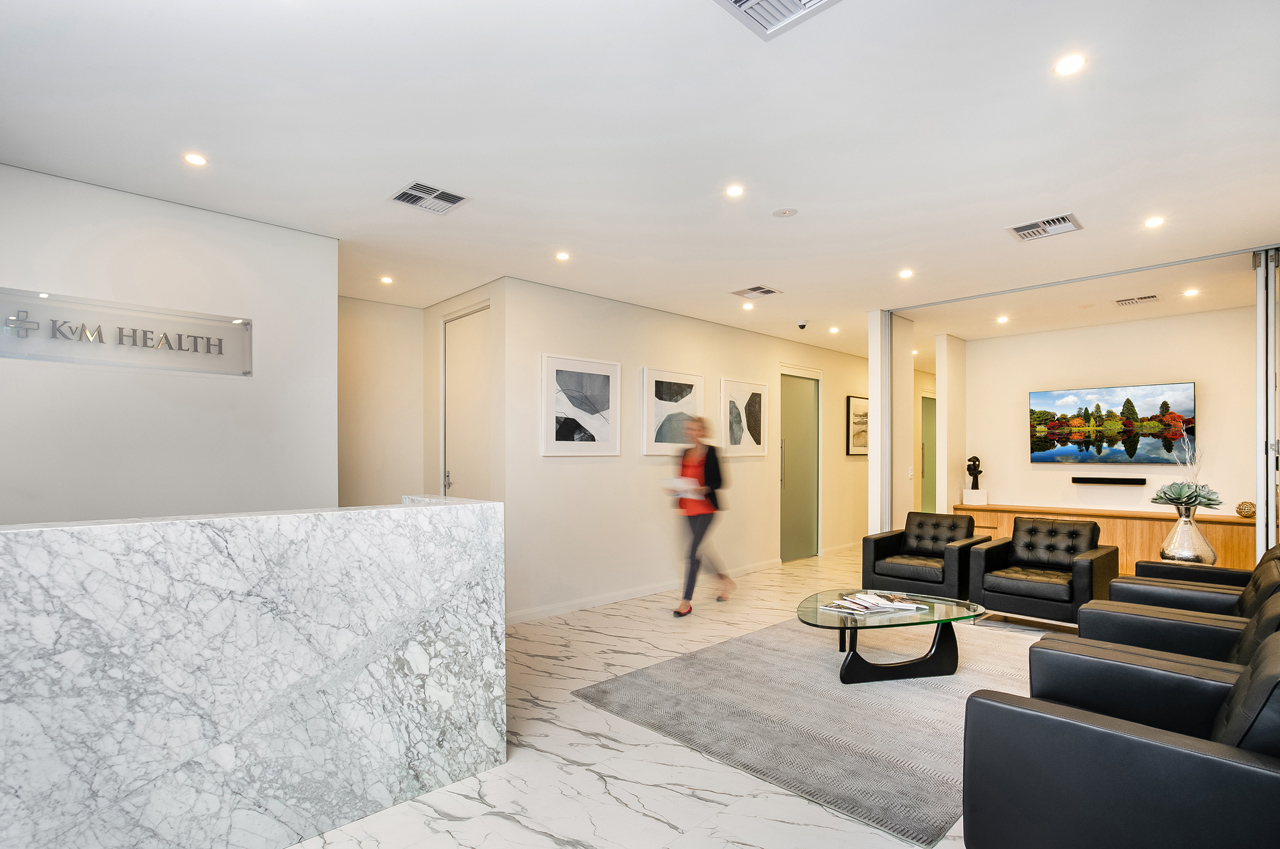
Our practice has been providing corrective jaw surgery in Sydney for over a decade. With two established clinics, we are committed to:
- Staying at the forefront of the latest orthognathic surgery research and techniques
- Careful and precise treatment planning
- Explaining everything clearly so you feel confident and informed
- Delivering the highest level of surgical proficiency
- Supporting you with attentive aftercare throughout your recovery
What is Corrective Jaw (Orthognathic) Surgery?
Corrective jaw surgery, also called orthognathic surgery, is a group of procedures designed to fix jaw alignment problems and restore proper bite function.
Double jaw surgery (bimaxillary osteotomy) is the most common procedure, moving both the upper and lower jaws to correct a range of alignment issues. Treatment may also be recommended for cosmetic improvement, breathing problems, or long-term oral health.
The medical term for jaw misalignment is malocclusion. Treatment is typically planned by a multidisciplinary team including an Oral and Maxillofacial Surgeon, an orthodontist, and sometimes a sleep specialist.
Understanding Jaw Alignment
The jaw is made up of two main parts:
- The upper jaw (maxilla) – holds your upper teeth
- The lower jaw (mandible) – holds your lower teeth
The way these two parts fit together affects both how your bite functions and how your jawline looks. For example, if your lower teeth sit in front of your upper teeth when your mouth is closed, this may be caused by a protruding lower jaw (prognathism) or a receding upper jaw. The position and alignment of your teeth also play a key role in your bite and overall facial profile.
Common Jaw Alignment Concerns
Jaw alignment problems treated with orthognathic surgery are generally classified into three main categories:
- Upper jaw issues (maxilla)- over or under protrusion
- Lower jaw issues (mandible) – over or under protrusion
- Combined jaw or bite discrepancies
In addition to forward or backward positioning, factors such as the width, size, and overall shape of the jawbones also influence facial balance and aesthetics. Because every case is unique, orthognathic surgery is carefully tailored to the individual.
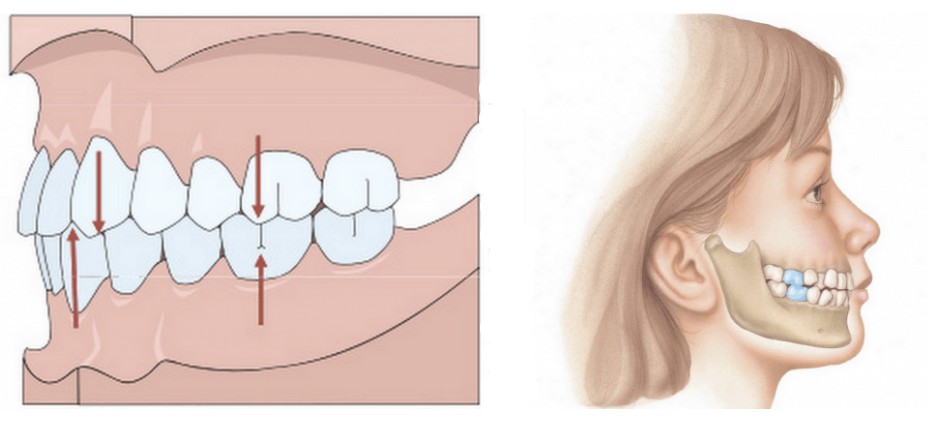
Class I - Normal Alignment
The upper and lower jaws are in balance, with the lower first molar positioned slightly ahead of the upper first molar. This is considered a normal, healthy bite.
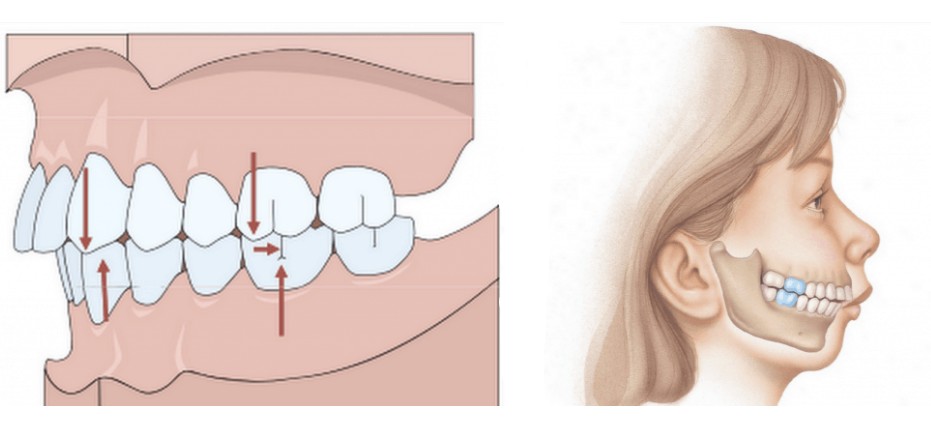
Class II - Retruded Lower Jaw (Retrognathism)
The lower jaw sits further back, causing the upper teeth to extend forward. This may occur because the upper jaw is too far forward or the lower jaw is underdeveloped (retruded).
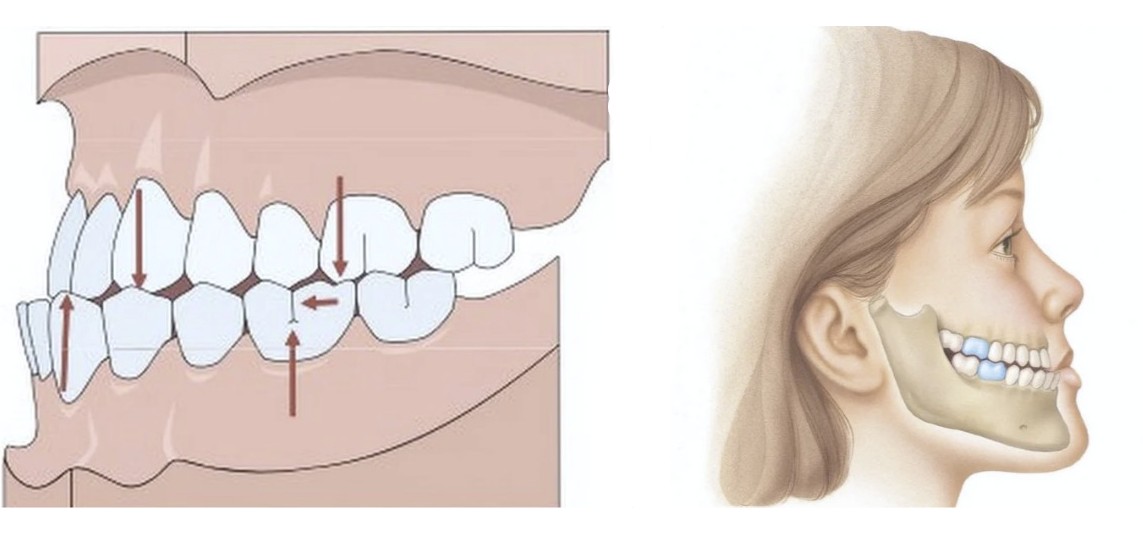
Class III
The lower jaw and teeth extend forward beyond the upper teeth. This can happen if the upper jaw is underdeveloped or the lower jaw is too prominent, giving the appearance of a strong or extended chin.
When is Jaw Surgery Required?
Do I need jaw surgery?
Jaw alignment problems affect more than your appearance. They can impact eating, speaking, breathing, and sleep quality. When these problems are significant, double jaw surgery or corrective jaw surgery may be recommended by your orthodontist or specialist.
Cosmetic Concerns
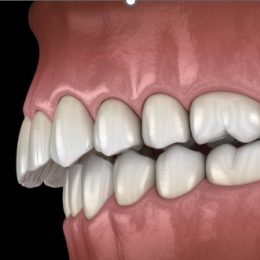
- Overbite When the upper teeth extend too far forward, corrective jaw surgery can reposition the upper jaw to restore facial balance. This is one of the most common reasons patients seek orthognathic surgery.
- Underbite The lower teeth sit in front of the upper teeth, often due to an overdeveloped lower jaw (mandibular prognathism) or a recessed upper jaw. Double jaw surgery or lower jaw surgery can correct this and improve facial symmetry.
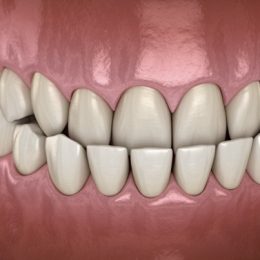
- Crossbite Some upper teeth sit behind the lower teeth when you bite down. Crossbites can make the smile appear uneven and may cause premature tooth wear.
- Small chin (retrogenia) A chin that sits too far back can make the profile look weak or recessed. Corrective jaw surgery can reposition the chin for a stronger, more balanced look.
- Broad or wide face A jaw that is overly wide can make the lower face appear heavy or disproportionate. Surgery can refine the shape of the jawline for better balance with the rest of the face.
- Disproportionate smile If too much or too little of the teeth and gums show when smiling, it can affect self-confidence. Jaw repositioning can create a more natural, harmonious smile.
- Unsatisfactory facial profile A chin that protrudes too much or recedes too far back disrupts facial harmony. Corrective surgery aligns the jaw with the rest of the face for a more proportional profile.
- Over-protruding teeth Teeth that stick out excessively can affect both aesthetics and oral function. Surgery can move them back into proper alignment.
- Recessed maxilla or jaw When the upper jaw sits too far back, it can cause a flat midface, sunken appearance, and bite problems. Corrective jaw surgery for recessed maxilla moves the upper jaw forward to improve facial balance and bite alignment.
Functional Concerns
- Temporomandibular Joint (TMJ) painMisaligned jaws can place strain on the jaw joint, leading to chronic pain, clicking, or restricted movement. Surgery helps restore balance and reduce joint stress.
- Snoring A narrow or recessed jaw may contribute to airway obstruction during sleep. Realigning the jaw can help open the airway and reduce snoring.
- Sleep apnoea In more severe cases, airway obstruction leads to sleep apnoea, a condition where breathing temporarily stops during sleep. Corrective surgery can reposition the jaw to improve airflow leading to a much better quality of sleep and life.
- Problems with biting and chewing When the upper and lower teeth don’t meet properly, chewing becomes inefficient and sometimes uncomfortable. Jaw surgery improves the bite for easier eating.
- Problems with speech and pronunciation Jaw alignment affects tongue position and articulation. Corrective surgery can improve clarity of speech.
- Disproportionate smile If too much or too little of the teeth and gums show when smiling, it can affect self-confidence. Jaw repositioning can create a more natural, harmonious smile.
- Teeth degeneration Having your jaws misaligned can place excessive forces on certain teeth, leading to early wear, fractures and tooth sensitivity. Corrective jaw surgery distributes pressure more evenly.
- Lips don’t fully close Jaw discrepancies sometimes prevent the lips from coming together at rest. This is called lip incompetence. Lip incompetence can lead to mouth breathing, dryness and breathing problems. Surgery improves lip seal and comfort.
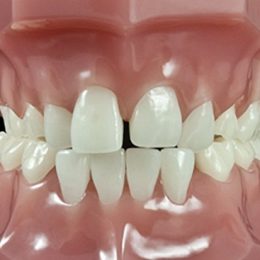

Benefits of Corrective Jaw Surgery
Corrective jaw surgery helps improve facial appearance, oral function, and overall health. Many patients choose this procedure for both cosmetic and health benefits, including:
- Correcting jaw misalignments such as overbite, underbite, and crossbite
- Enhancing speech clarity and pronunciation
- Improving bite alignment for better chewing and swallowing
- Reducing snoring and easing symptoms of sleep apnoea
- Preventing tooth wear or damage caused by misaligned bites
- Enhancing your smile and overall facial appearance
- Refining facial balance including the jawline, chin, and neck profile
Orthognathic surgery doesn’t just change how your face looks it can also boost long-term health, comfort, and confidence.
Different Types of Jaw Surgery
There are several types of corrective jaw surgery, depending on which jaw or jaws need to be repositioned. Dr. Kristian van Mourik performs upper jaw surgery, lower jaw surgery, double jaw surgery (bimaxillary surgery), genioplasty, and surgically assisted maxillary expansion.
Upper jaw surgery
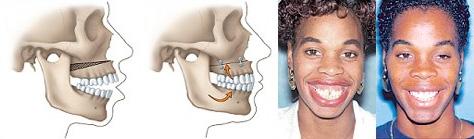
Upper jaw surgery corrects the maxilla when it is too large, too small, too far forward, or too far back. It can improve a gummy smile, lip seal, midfacial support, and bite alignment. Upper jaw surgery is sometimes performed alongside lower jaw surgery as part of a full double jaw surgery plan, or combined with genioplasty for additional chin refinement.
Lower jaw surgery
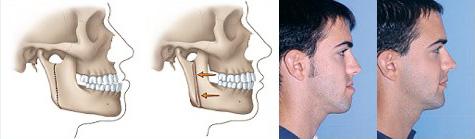
Lower jaw surgery corrects the mandible when it protrudes too far forward, sits too far back, or is misaligned. It improves bite alignment, facial profile, and jaw symmetry. Lower jaw surgery is commonly performed as part of double jaw surgery when both jaws require repositioning.
Double jaw surgery
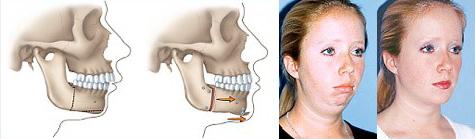
Double jaw surgery: When both the upper and lower jaws need to be repositioned, the procedure is called double jaw surgery or bimaxillary osteotomy. This is the most common corrective jaw surgery performed by Dr. Kristian van Mourik. It corrects a wide range of bite and alignment problems and can improve jaw function, facial symmetry, and profile.
Genioplasty (Chin Surgery)
Genioplasty (chin surgery) reshapes or repositions the chin to improve facial balance. It can correct a recessed chin, reduce a prominent chin, or refine the chin shape. Genioplasty is often combined with double jaw surgery when the chin position affects the overall facial profile. Dr. Kristian van Mourik performs genioplasty in Sydney as part of a comprehensive corrective jaw surgery plan.
Surgically Assisted Maxillary Expansion
The procedure involves inserting an expansion appliance on the roof of your upper mouth. Approximately 3 days after the expansion appliance is inserted, the active expansion process begins and your upper jaw is gradually widened over a period of weeks. Once the appropriate amount of expansion is achieved, the expansion device is left in your mouth to allow the bone to heal, then orthodontic treatment can commence.
What Does Corrective Jaw Surgery Involve?
The following is an overview of what corrective jaw surgery involve, from pre-surgical preparation through to recovery. The procedure is performed at a private Sydney hospital by Dr. Kristian van Mourik as a specialist Oral and Maxillofacial Surgeon.
Pre-Surgery Preparation
Before corrective jaw surgery, Dr. Kristian van Mourik completes a full diagnostic assessment including cone beam X-rays and 3D jaw modelling. Orthodontic preparation may be required to align the teeth before surgery. Virtual surgical planning is used to map the procedure and create custom surgical plates and guides.
On the Day of Surgery
Corrective jaw surgery is performed mostly inside the mouth, leaving no visible external scars. In rare cases a small incision is placed within a natural skin crease. Precise bone cuts (osteotomies) are made, the jaws are repositioned and secured with titanium plates and screws. In some cases, bone grafting is performed to enhance the jaw profile
During Surgery
- Incisions: Most surgery is performed inside the mouth, leaving no visible scars. Rarely, small external incisions are needed, which Dr van Mourik places within natural skin creases to minimise visibility.
- Bone Repositioning: Precise bone cuts (osteotomies) are made, and the jaws are repositioned. They are fixed securely with titanium plates and screws.
- Bone Grafting (if required): Occasionally, bone grafting is performed to enhance jaw profile.
After surgery and healing
- Bone Healing: The jawbone heals over a period of 6–8 weeks.
- Plates and Screws: Titanium plates and screws remain permanently in place.
- Post-Surgical Orthodontics: Minor orthodontic adjustments may be needed, usually beginning about 6 weeks after surgery.
Recovery After Corrective Jaw Surgery
Recovery After Double Jaw Surgery
Recovery from double jaw surgery is similar to other corrective jaw surgery, with swelling, bruising, a modified diet and gradual return to normal activities. As both jaws are treated, recovery may involve more swelling and take longer than surgery involving a single jaw.
Hospital Stay
Most patients are admitted to a private Sydney hospital for their corrective jaw surgery. Hospital stay for double jaw surgery is typically 2 to 3 nights. Single jaw surgery requires 1 to 2 nights. Genioplasty patients stay one night. Maxillary expansion is day surgery. Discharge occurs once you can eat and drink comfortably
Pain Management
- In hospital: Pain is controlled with intravenous analgesia (pain relief), prescribed by the anaesthetist and self-administered with a button.
- After 48 hours: Most patients manage well with pain tablets such as Nurofen® or Panadeine®.
- At home: You’ll continue with oral medication, usually in liquid form. Antibiotics and other medicines may also be prescribed.
Stitches
- Dissolving stitches are used in most cases.
- They gradually disappear over 2–3 weeks without needing removal.
Elastics (for surgeries of upper and lower jaw)
- Your teeth will feel tightly closed when you wake up—this is due to orthodontic elastics.
- These support jaw healing and comfort during swelling.
- Elastics are gradually loosened over 6 weeks and removed at your 6-week check-up.
Swelling
- A head wrap with a cooling pad will be used to minimise swelling. This should stay in place for 1–2 days with fresh ice added regularly.
- Swelling usually peaks around day 3–4 and then gradually improves.
- Keep your head elevated (2–3 pillows or a recliner) for about a week.
- It may take several weeks for swelling to completely resolve.
Bleeding & Bruising
- Mild oozing in the mouth or nose is normal.
- Large clots may be dislodged occasionally. If any heavy, bright red bleeding contact us.
- Bruising is very common after lower jaw surgery and may extend down the neck and chest.
Diet
- Upper and lower jaw surgery: A soft diet is required for 5-6 weeks.
- Some weight loss is common, frequent high-protein, high-calorie meals will help aid recovery.
Oral Care
- Begin gentle brushing with a soft, child’s toothbrush as soon as possible.
- Rinse with warm saltwater (1 tsp salt in 1 glass of warm water) at least 3 times daily.
Returning to Work, School & Exercise
Double jaw surgery recovery time off work is typically 2 to 3 weeks. Most patients feel significantly better after 2 weeks, with full energy returning around 6 weeks. Strenuous exercise should be avoided until cleared by Dr. Kristian van Mourik. Contact sports are not permitted for 3 months following double jaw surgery.
Recovery Timeline
Double jaw surgery healing time: 6 to 8 weeks for bone healing. Full double jaw surgery recovery, including return to all activities, takes 3 to 6 months. Post-surgical orthodontic adjustments begin around 6 weeks after corrective jaw surgery. Dr. Kristian van Mourik provides a tailored recovery timeline at your pre-operative consultation.
Follow-Up Care
- Dr van Mourik will want to see you periodically to monitor your healing and ensure that your jaws are staying properly aligned..
- Further check-ups at 6 months and 12 months to monitor healing and jaw alignment.
- Atten ding these appointments is crucial for long-term success.
Important Notes
- Do not blow your nose for 2 weeks if you had upper jaw or nasal surgery.
- Use saline spray and prescribed decongestants as directed.
- Report swelling or pain in one leg immediately, as this may signal a blood clot.
Dr van Mourik will provide you with tailored post-operative instructions before your surgery. Please follow them closely to maximise healing and minimise complications.
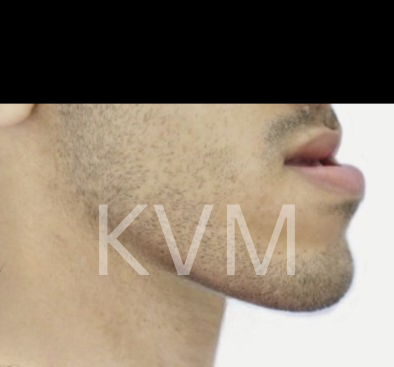
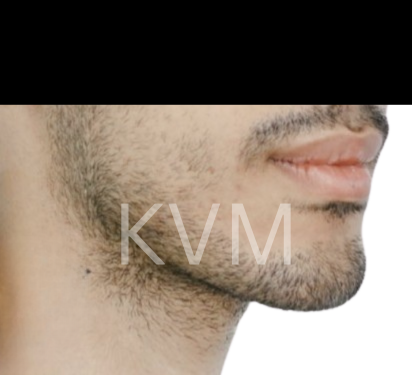
Corrective Jaw Surgery Before and After
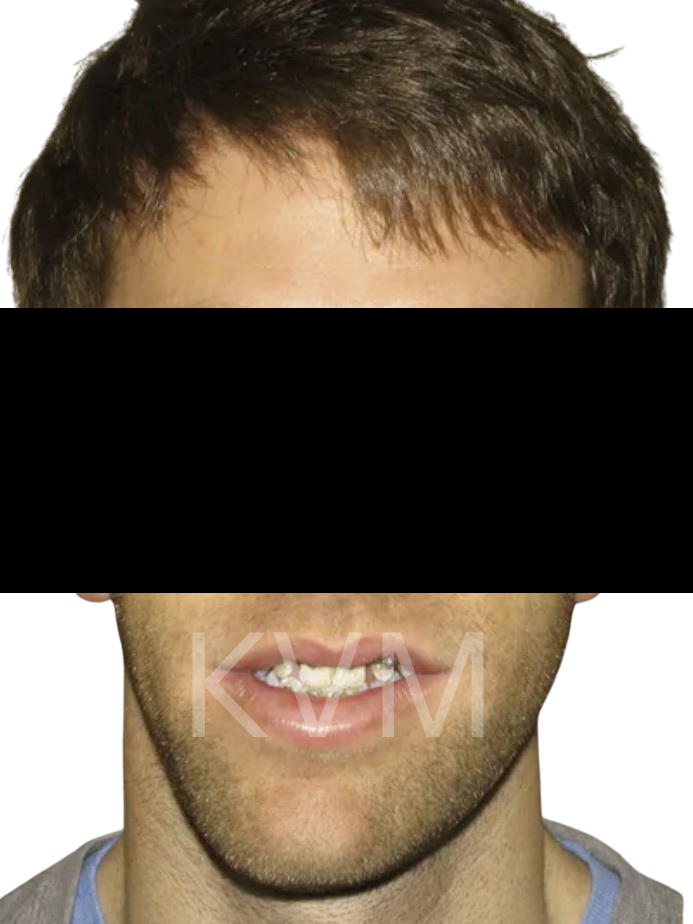
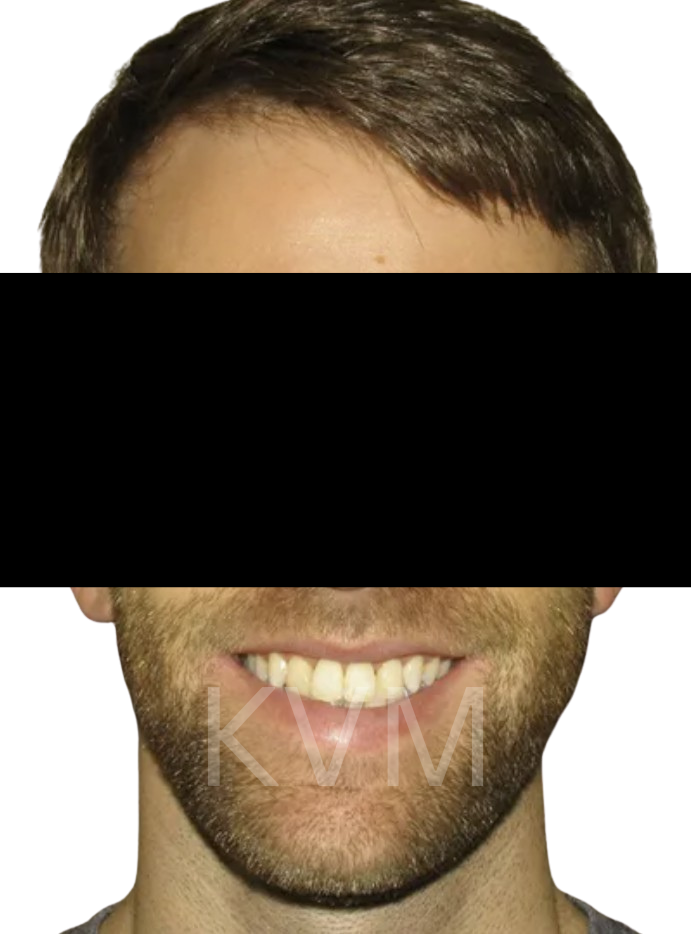
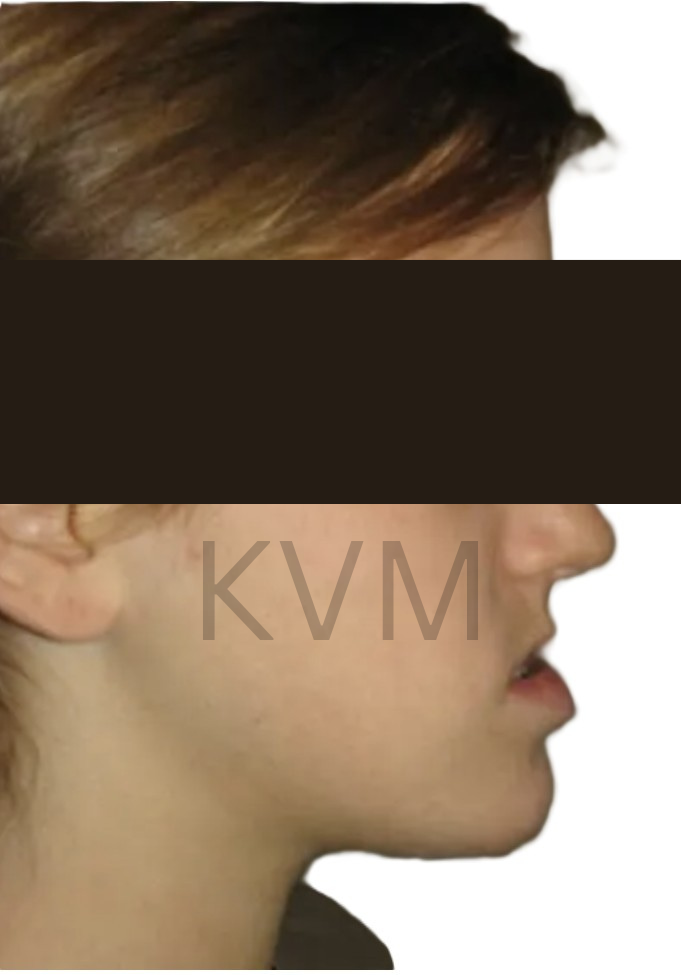
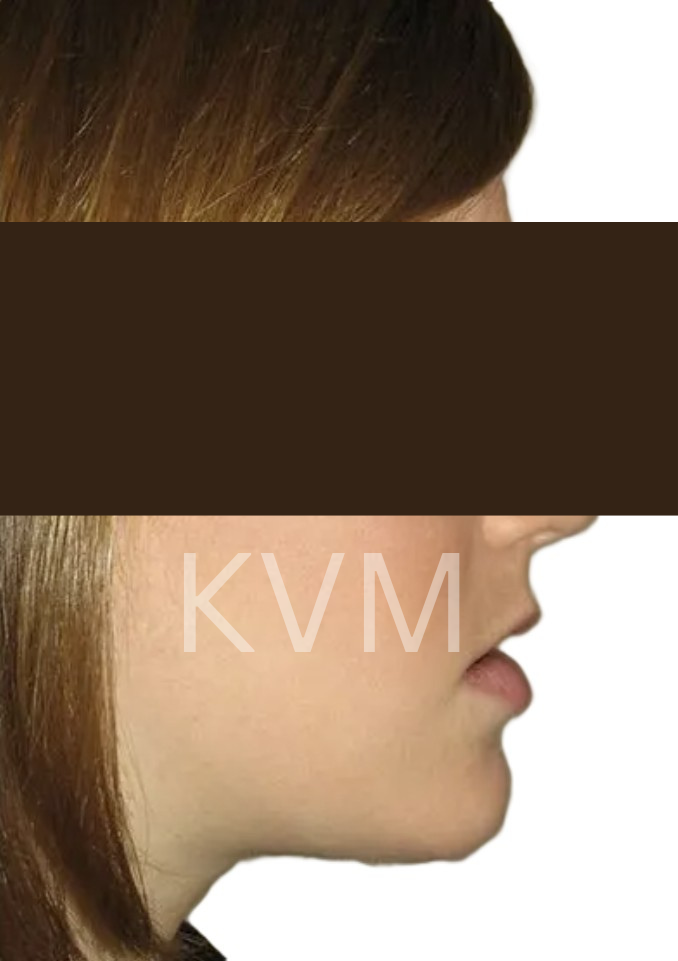
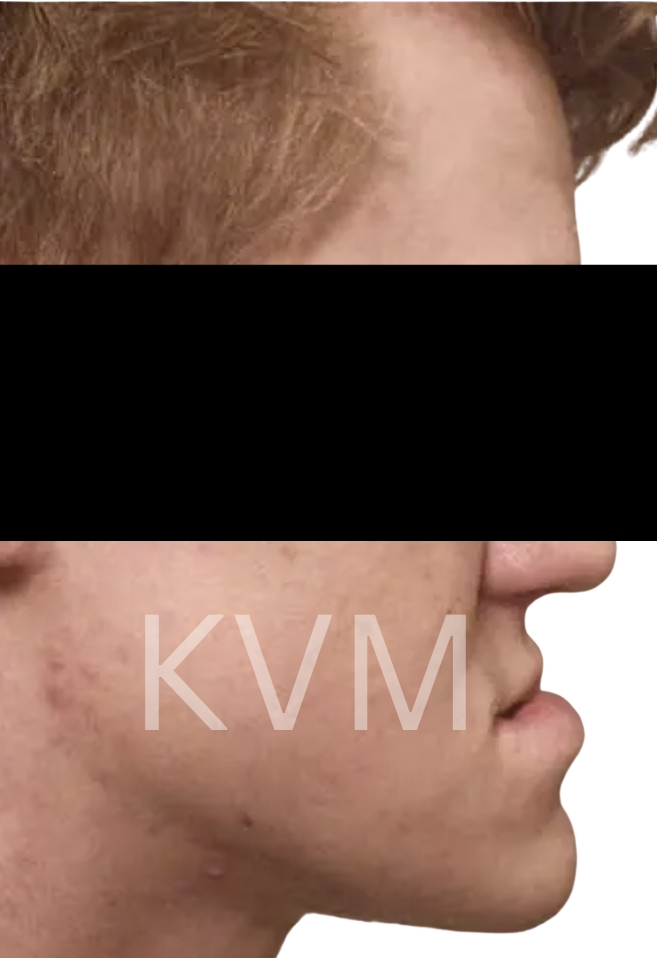
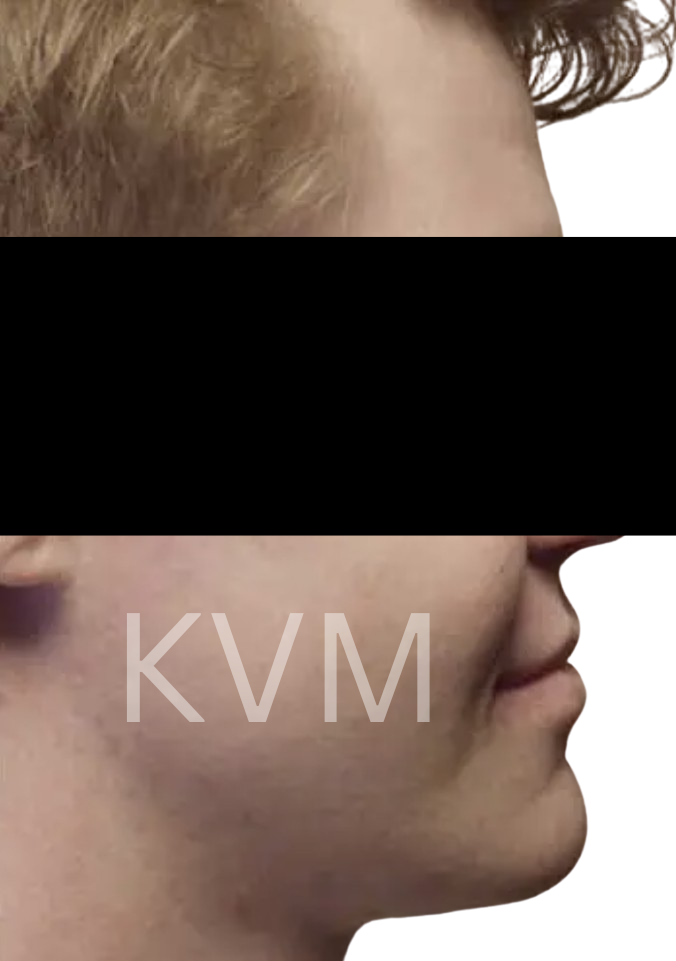
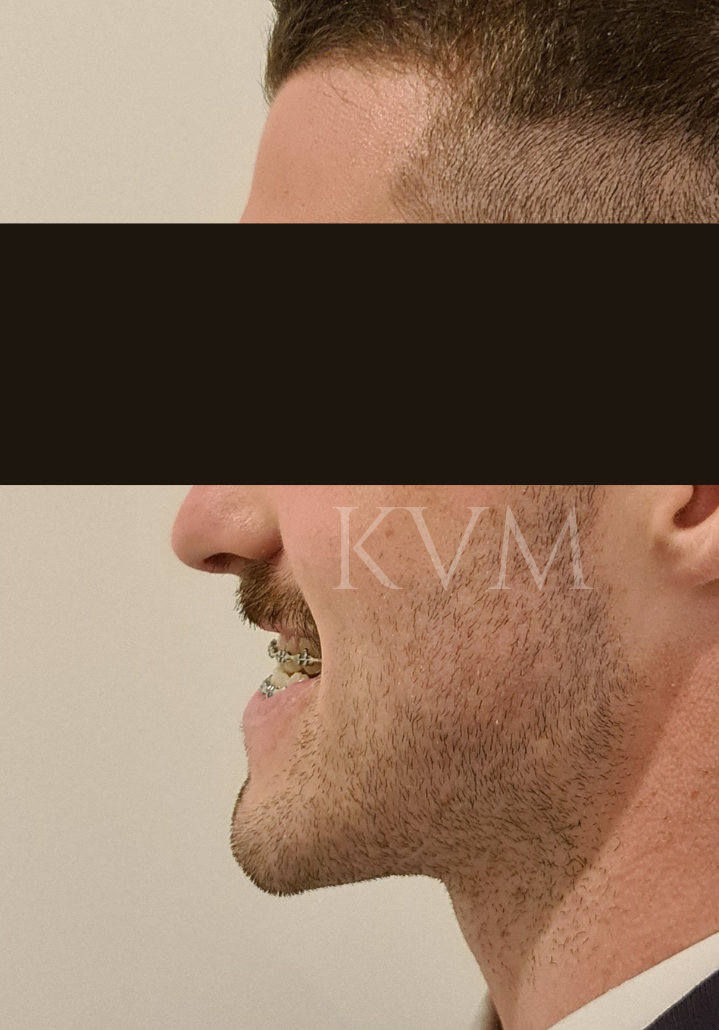
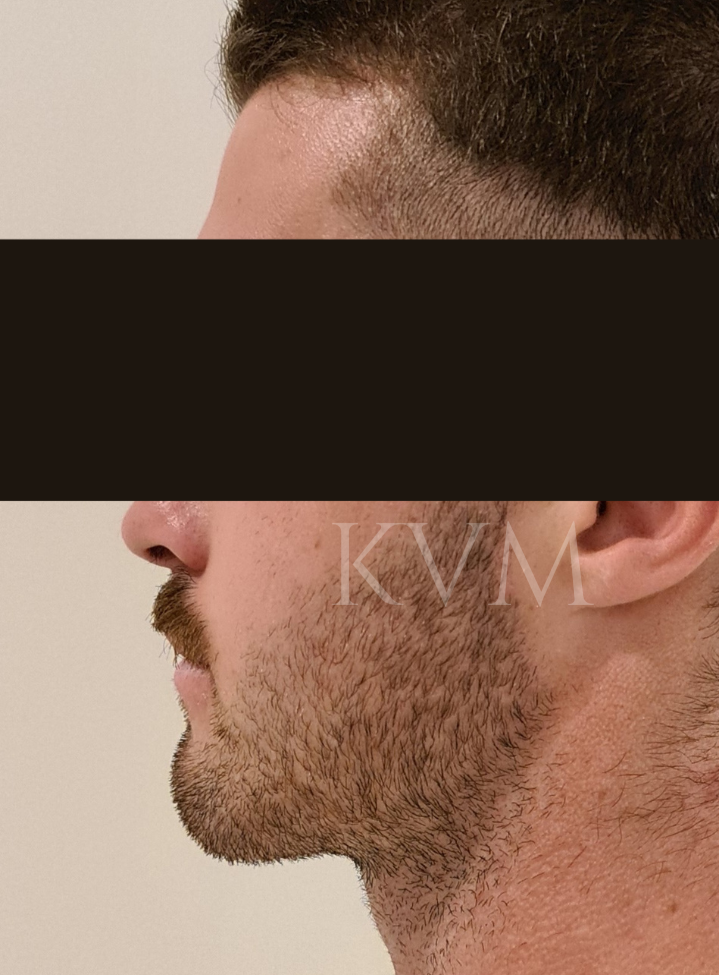
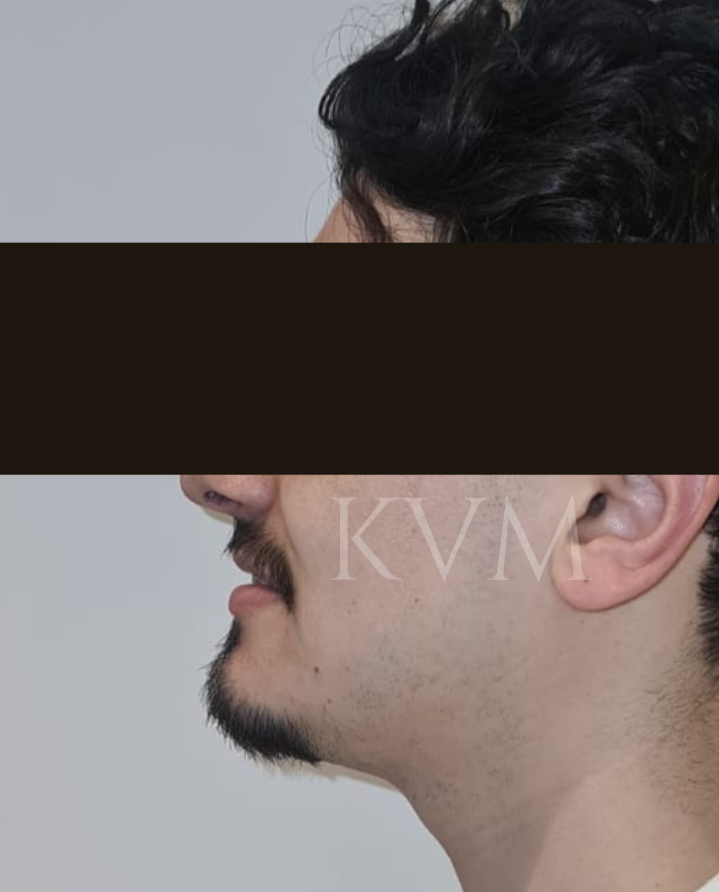
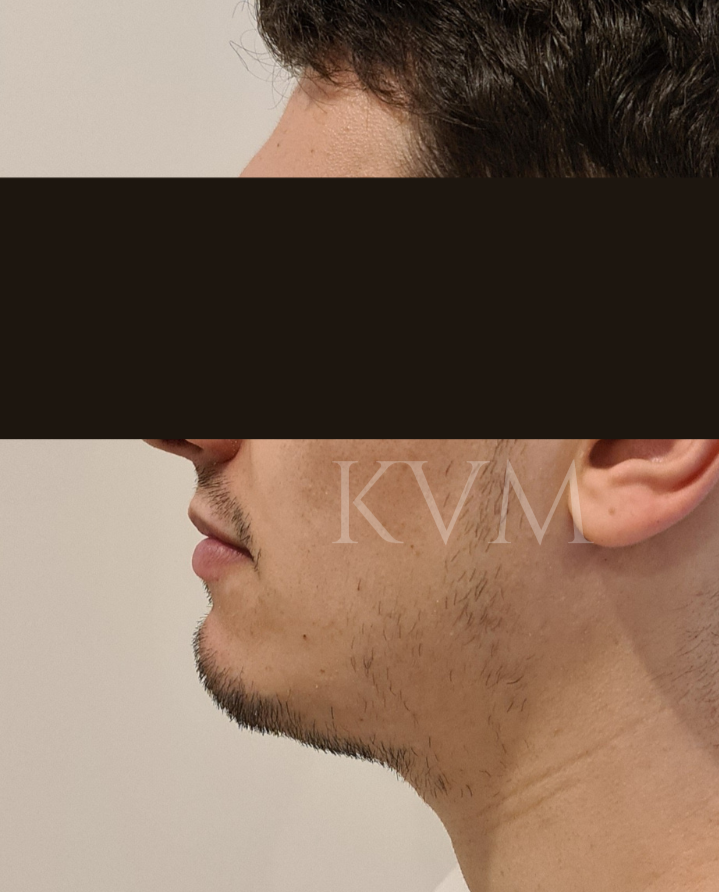
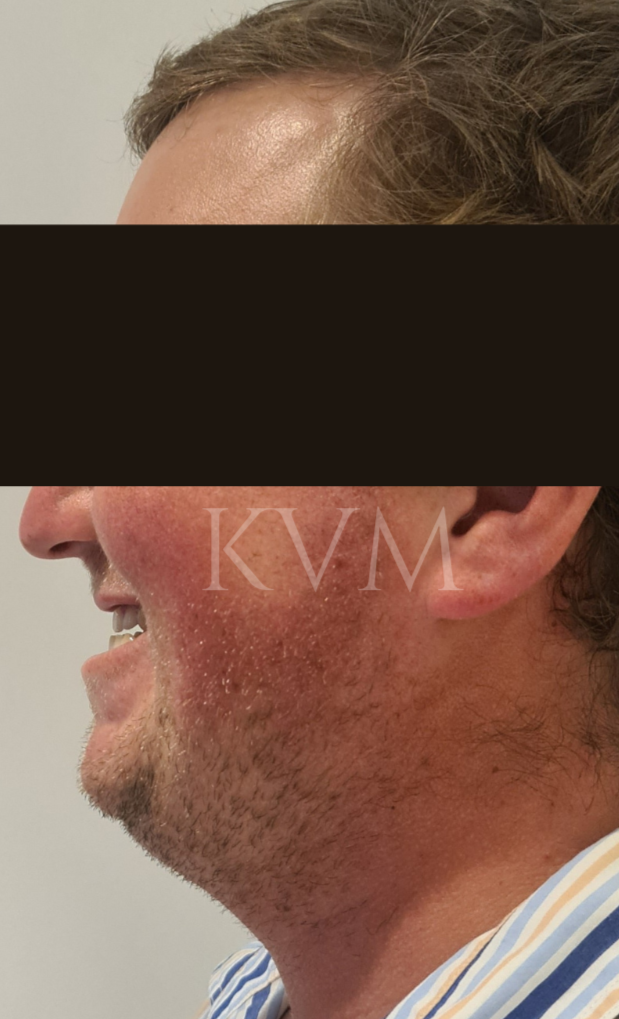
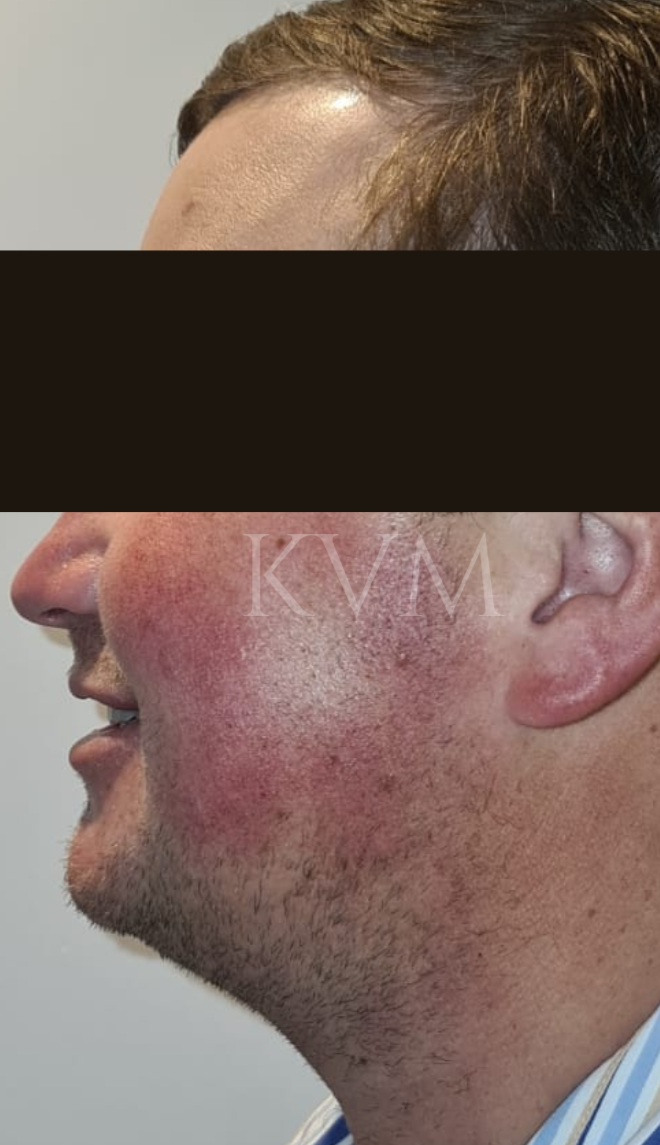
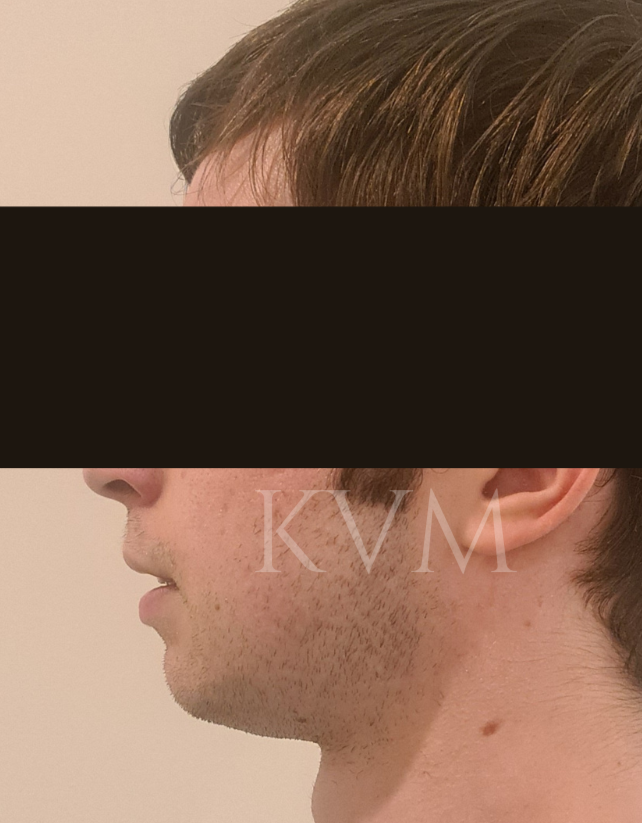
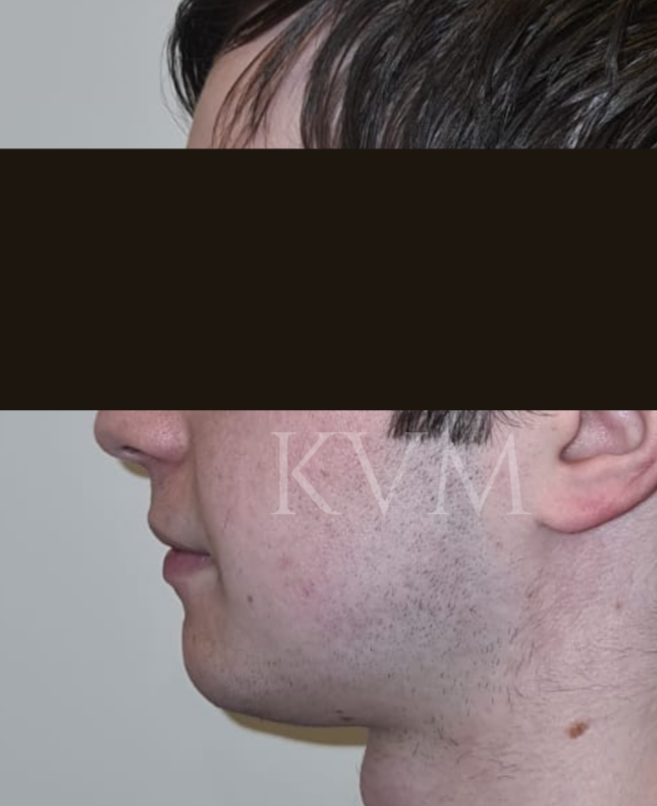
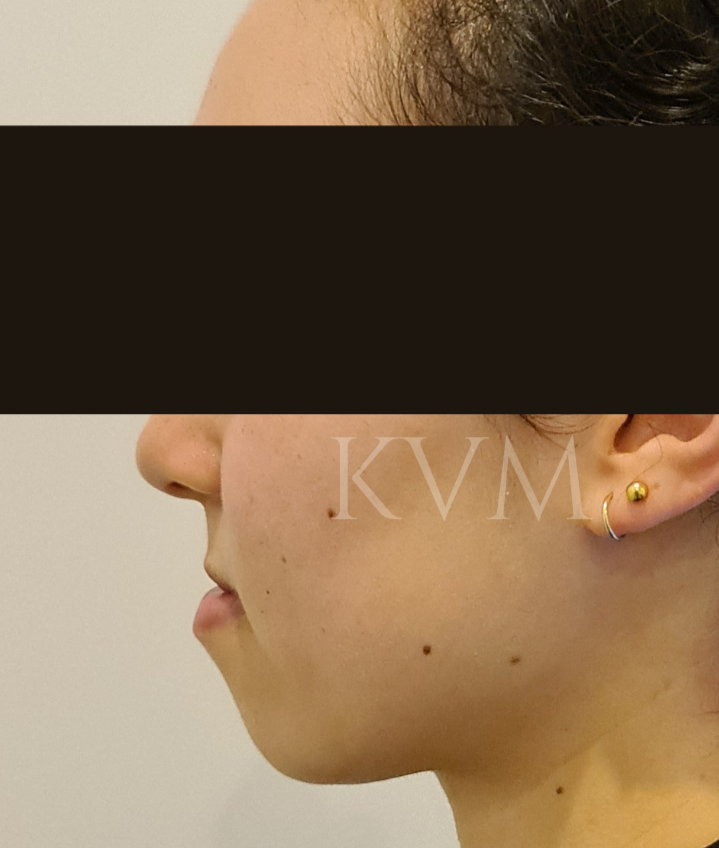
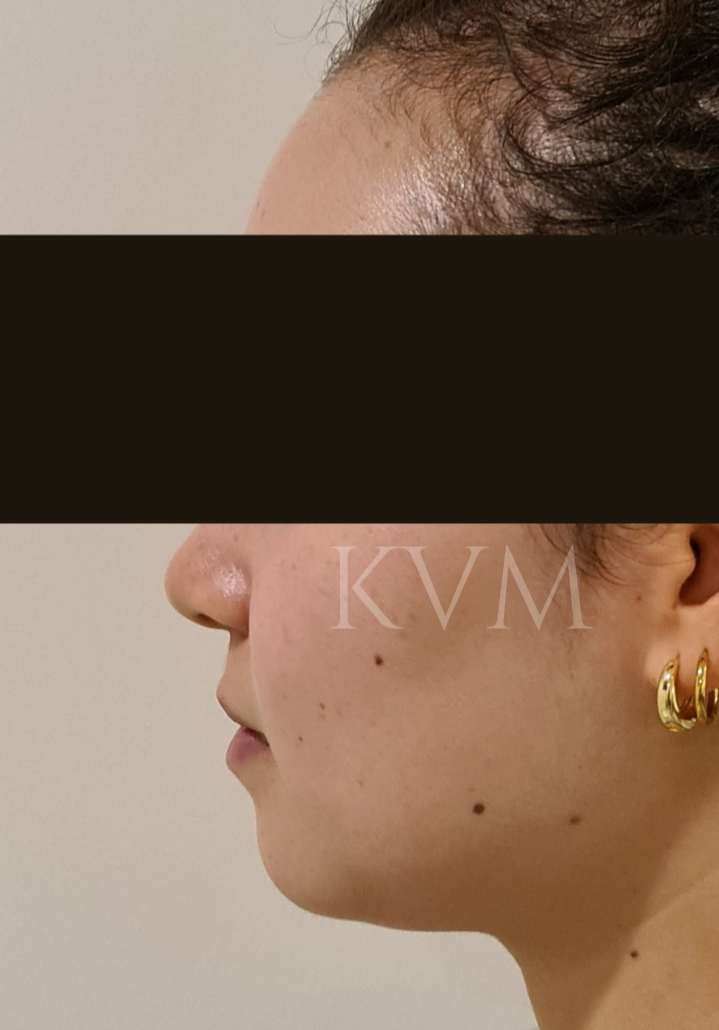
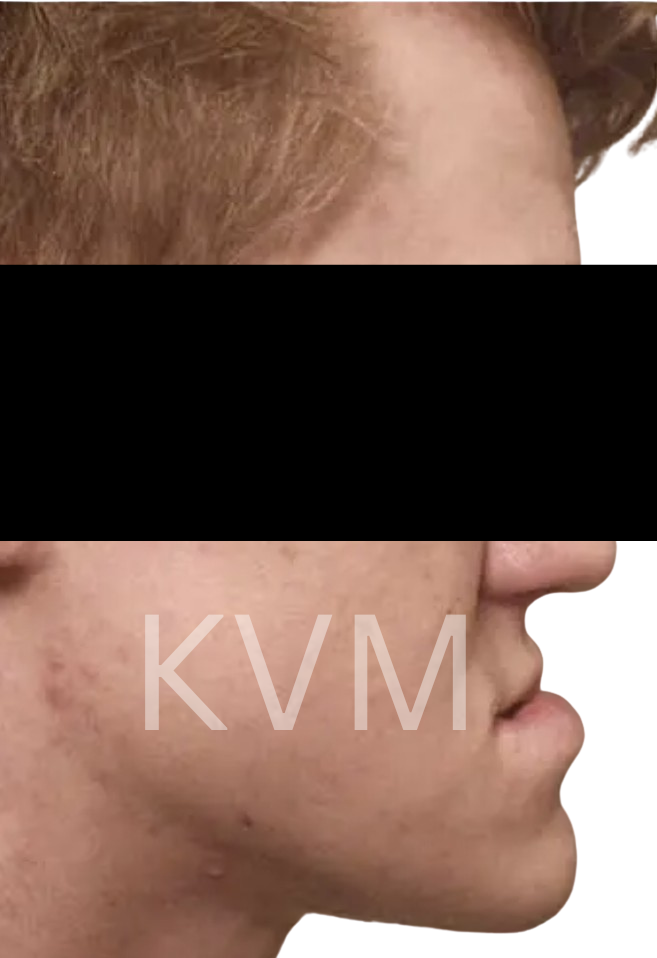
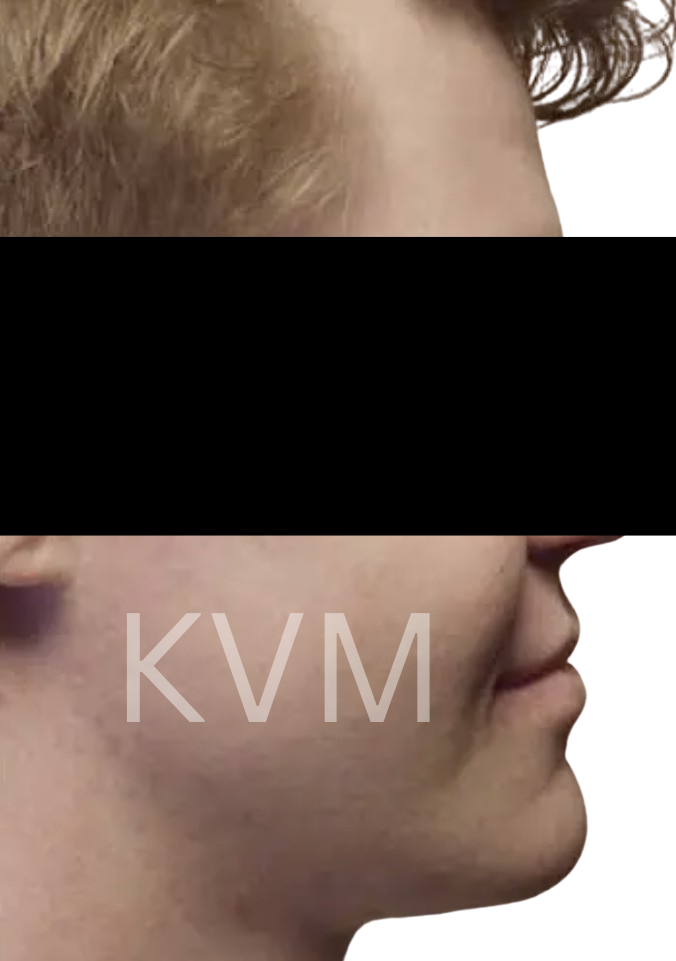
Double Jaw Surgery Before and After
A Personalised Approach
Corrective jaw (orthognathic) surgery is never “one-size-fits-all.” Treatment is carefully planned based on your unique facial structure, bite, and concerns. Beyond restoring functional bite alignment, it also enhances appearance by balancing the proportions of the teeth, chin, and facial profile. The result is not only better oral health, but also a more natural and harmonious facial appearance—both from the front and side views.
Why Seeing an Oral and Maxillofacial Surgeon Matters
Jaw surgery is a complex procedure that requires specialist training.
Oral and Maxillofacial Surgeons have the highest level of training and skills in orthognathic surgery, having qualified as a surgeon, a doctor and a dentist.
They regularly perform jaw surgery and offer the highest standard of surgical care. An Oral and Maxillofacial surgeon’s approach ensures:
- Surgery performed to the highest technical standard
- The best chance of a smooth recovery and long-term success
- Treatment guided by the most current medical and dental knowledge
- A lower risk of complications
- Specialist medical expertise to manage complications, should they arise
Trust an Oral and Maxillofacial Surgeon for the best outcomes for your jaw surgery.
2
Convenient locations
120+
Google Reviews
Trusted by Hundreds of Patients Across Sydney
Dr Kristian van Mourik has received 120+ verified Google reviews across his Lindfield and Bondi Junction clinics, reflecting years of specialist Oral & Maxillofacial surgical care, clear communication and a consistent patient experience.
Cost of Corrective Jaw Surgery in Sydney
The cost of corrective jaw surgery in Sydney varies depending on your individual needs, including:
- Type of procedure: Whether one or both jaws require surgery.
- Genioplasty: Additional costs may apply if genioplasty is performed at the same time.
- Complexity of treatment: The complexity of your jaw condition and surgical requirements.
Affordable Jaw Surgery Sydney
Dr Kristian van Mourik is an experienced Oral & Maxillofacial Surgeon specialising in both routine and complex corrective jaw surgery, providing personalised specialist care.
A written, itemised quote is provided before treatment so you can check your private health insurance and Medicare rebates. Medicare and private health insurance may contribute towards eligible hospital and anaesthetic costs, depending on your circumstances.
Flexible Finance Options
Flexible finance options are available, making it easier to access the highest standard of care while keeping your dental implant treatment affordable.
Medicare and Private Health Insurance
Medicare covers part of the initial consultation, certain surgical and anaesthetic item numbers. Private health insurance may contribute to hospital, surgical and anaesthetist fees. You will receive an itemised quote that can be submitted to your private health fund and medicare to check available rebates.
Meet Dr Kristian van Mourik
Meet Dr Kristian van Mourik
BBioMed, BDSHons, MBBS, FRACDS OMS
Dr Kristian van Mourik is a fully qualified Oral and Maxillofacial Surgeon with dual qualifications in medicine and dentistry, as well as advanced surgical training. He is one of the few surgeons in Australia to hold this combination of expertise.
Qualifications include:
- Bachelor of Biomedicine – Monash University
- Bachelor of Dentistry with Honours – University of Sydney
- Bachelor of Medicine / Bachelor of Surgery – University of Sydney
With more than 15 years of practice in Sydney, Dr van Mourik has extensive experience in corrective jaw surgery, wisdom tooth removal, dental implants, trauma surgery, and oral pathology. He is registered with both the Medical Board of Australia and the Dental Board of Australia as a specialist Oral and Maxillofacial Surgeon.
Corrective Jaw Surgery in Sydney FAQs
Orthognathic Jaw Surgery Sydney
Double Jaw Surgery Sydney
Is jaw surgery covered by medicare?
Some Medicare item numbers may apply to hospital and anaesthetist costs. We provide a detailed written quote before treatment. We recommend you check with your private health insurer to confirm your coverage. For affordable sleep aponea surgery in Sydney, Dr van Mourik can guide you through your options.
Is jaw surgery covered by private health insurance?
Private health insurance can contribute to hospital, surgeon’s and anaesthetist’s fees. We provide a detailed written quote before treatment. We recommend you check with your private health insurer to confirm your coverage. For affordable sleep aponea surgery in Sydney, Dr van Mourik can guide you through your options.
What age is best for corrective jaw surgery?
Jaw surgery is usually recommended once growth has finished. For females, this is typically from age 16–18 onwards, and for males, from age 18–21 onwards.
Other factors also play a role in deciding the best timing for your jaw surgery Sydney. Dr van Mourik will discuss these with you during your consultation.
How long does jaw surgery take?
Jaw surgery can take anywhere from 1 hour for a single jaw to 2-3 hours for a combined upper and lower jaw procedure.
If orthodontics are required the full process usually takes between 18 and 24 months, including pre- and post-surgical orthodontics.
Is corrective jaw surgery covered by Medicare or private health?
Some Medicare item numbers may apply, and private health insurance can contribute to hospital and anaesthetist costs. We provide a detailed written quote before treatment. We recommend you check with Medicare and your private health insurer to confirm your coverage. For affordable jaw surgery in Sydney, Dr van Mourik can guide you through your options.
What are the risks of jaw surgery?
All surgeries have some potential risks and complications and for face and jaw surgery they include:
- Numbness caused by nerve injury
- Infection
- Return to the original bite position
- Aggravation of your tempromandibular (jaw) joint.
It’s unusual to have complications with jaw surgery Sydney when you have a skilled Oral and Maxillofacial Surgeon to perform the procedure
Do I need braces before jaw surgery?
Yes, some patients require orthodontic treatment before surgery to position the teeth correctly. This is coordinated between your orthodontist and surgeon.
How long will I need to take off work or school after jaw surgery?
Most patients need around 2–4 weeks off work or school after major corrective jaw surgery and a couple of days off for minor surgery such genioplasty or maxillary expansion. Recovery time varies with the procedure and individual healing. Strenuous activity and contact sports should be avoided for longer.
Dr van Mourik, best jaw surgeon Sydney, will guide you during follow-up visits
Can corrective jaw surgery change my appearance?
Yes, in many cases, surgery can alter facial proportions by repositioning the jaws. While the primary goal is to improve function, patients often notice changes to their profile, smile, or facial symmetry. These outcomes vary from person to person and are carefully explained during the planning process. For expert care, Dr van Mourik is considered one of the best jaw surgeons in Sydney.
What is double jaw surgery?
Double jaw surgery, also called bimaxillary osteotomy or bimax surgery, moves both the upper jaw (maxilla) and lower jaw (mandible) to correct jaw misalignment. It is the most common corrective jaw surgery for patients with significant bite problems, recessed maxilla, overbite, underbite, or jaw asymmetry. Dr. Kristian van Mourik performs double jaw surgery in Sydney at accredited private hospitals.
How long does double jaw surgery take to recover from?
Double jaw surgery recovery takes 2 to 3 weeks off work and 3 to 6 months for full recovery. Bone healing occurs over 6 to 8 weeks. Swelling peaks around day 3 to 4 and gradually resolves over several weeks. Most patients are more comfortable after 2 weeks and return to light activity progressively. Dr. Kristian van Mourik provides a tailored recovery timeline at your pre-operative consultation.
What is corrective jaw surgery for a recessed maxilla?
A recessed maxilla occurs when the upper jaw sits too far back, causing a flat or sunken midface, bite problems, and often a Class II malocclusion. Patients with a recessed maxilla may also experience breathing difficulties and lip incompetence.
How is recessed maxilla surgery performed?
Corrective jaw surgery for recessed maxilla moves the upper jaw forward using a procedure called a Le Fort I osteotomy. This is commonly combined with lower jaw surgery as part of double jaw surgery when the lower jaw also requires repositioning. In some cases, the procedure is performed alongside genioplasty to refine the chin and profile.
Dr. Kristian van Mourik assesses each case individually to determine the best surgical plan for recessed maxilla correction. Results include improved facial balance, bite alignment, and midfacial support.
How much does double jaw surgery cost in Australia?
Double jaw surgery cost in Australia varies depending on the type of procedure, hospital, and anaesthetist. Medicare contributes to certain surgical item numbers and the initial consultation. Private health insurance may cover part of the hospital and anaesthetist fees. A full written quote is provided before surgery. Patients are encouraged to check both Medicare and private health fund entitlements before treatment.
Is jaw surgery covered by Medicare in Australia?
Medicare covers part of the initial consultation and certain surgical item numbers for corrective jaw surgery in Australia. The exact rebate depends on the procedure and your individual circumstances. Private health insurance can also contribute to hospital admission and anaesthetist fees. Dr. Kristian van Mourik provides a detailed written quote before treatment, which can be submitted to your private health fund for a rebate check.
Does double jaw surgery fix a recessed maxilla?
Yes, double jaw surgery can correct a recessed maxilla by moving the upper jaw forward to improve facial balance, bite alignment, and midfacial support. In most cases, the lower jaw is repositioned at the same time to achieve the best bite and profile result. Corrective jaw surgery for recessed maxilla is one of the most common reasons patients are referred to Dr. Kristian van Mourik.
Does corrective jaw surgery change the appearance of your face?
Corrective jaw surgery can change the appearance of your face by improving jaw alignment, facial symmetry, and profile balance. Most patients notice an improvement in their facial proportions, particularly the jawline and chin. Double jaw surgery can create subtle to significant changes depending on the degree of correction required. Dr. Kristian van Mourik plans each procedure carefully to achieve balanced, natural-looking results.
Is double jaw surgery safe?
Double jaw surgery is a major surgical procedure but is considered safe when performed by a specialist Oral and Maxillofacial Surgeon. Dr. Kristian van Mourik performs all corrective jaw surgery in accredited private Sydney hospitals with a specialist anaesthetist. Risks include swelling, temporary numbness, and the need for follow-up care. All risks specific to your case will be discussed in full at your consultation.
What does double jaw surgery involve?
Double jaw surgery involves repositioning both the upper jaw (maxilla) and lower jaw (mandible) to correct jaw alignment, improve bite function and enhance facial balance. The procedure is carefully planned using 3D imaging and virtual surgical planning, with the jaws secured in their new positions using titanium plates and screws.
What does jaw widening surgery invovle?
Jaw widening surgery involves expanding the upper or lower jaw to improve jaw width, dental alignment, facial balance and, in some cases, airway function. Depending on the underlying jaw structure and the patient’s needs, surgery may involve widening the upper jaw, lower jaw, or both. The procedure is carefully planned using 3D imaging and virtual surgical planning to determine the precise amount and direction of expansion. The jaw is then repositioned and secured using specialised surgical plates and screws.
Sydney Areas We Service for Corrective Jaw Surgery
Corrective jaw surgery is available across Sydney’s Eastern Suburbs and North Shore.
- Bondi
- Bronte
- Clovelly
- Coogee
- Randwick
- Paddington
- Woollahra
- Double Bay
- Bellevue Hill
- Tamarama
- Waverley
- Surrounding Eastern Suburbs
- Roseville
- Chatswood
- Killara
- Gordon
- Pymble
- Turramurra
- St Ives
- Wahroonga
- Hornsby
- Willoughby
- Castle Cove
- Other North Shore suburbs
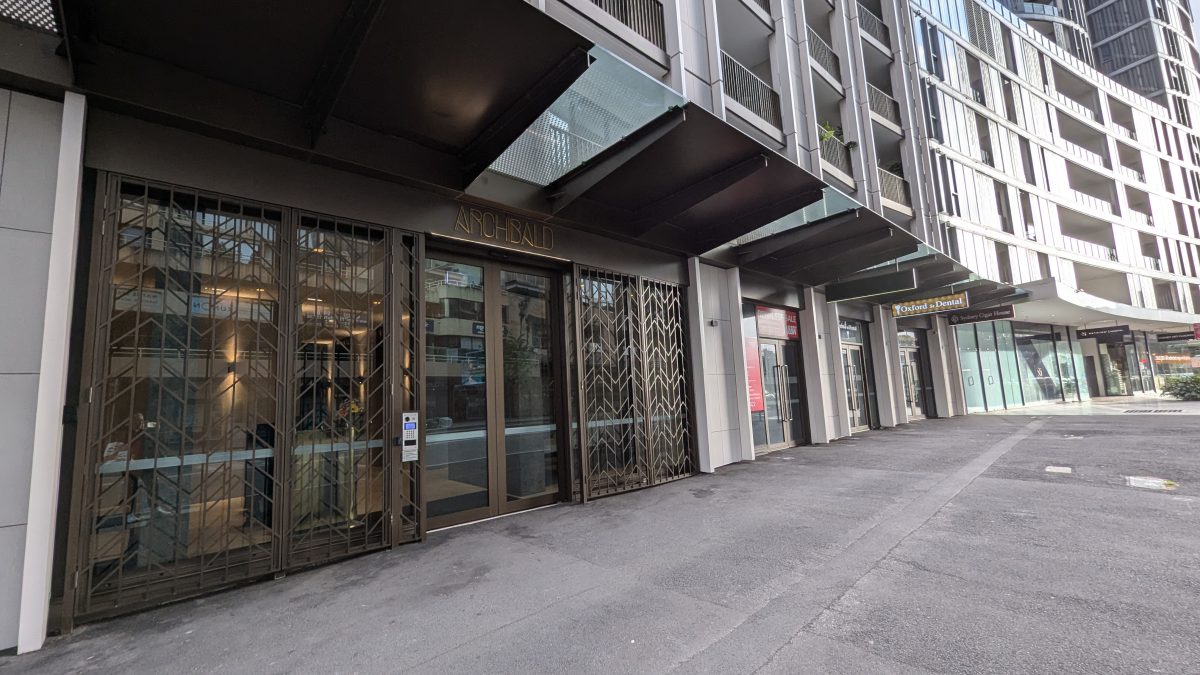
Bondi Junction
Located in the heart of the Eastern Suburbs, our Bondi Junction clinic is easily accessible by train, bus, and nearby parking.
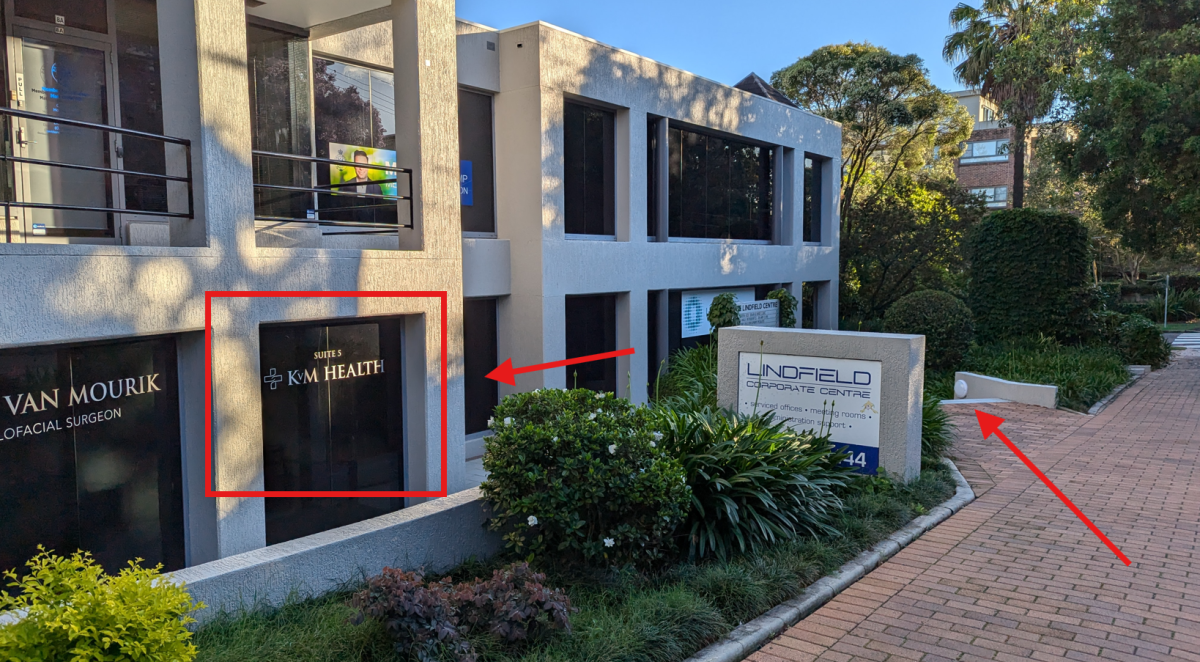
Lindfield
Conveniently positioned on the North Shore, our Lindfield clinic is close to public transport and offers parking options nearby.